Category: I’ve Been Arrested
-
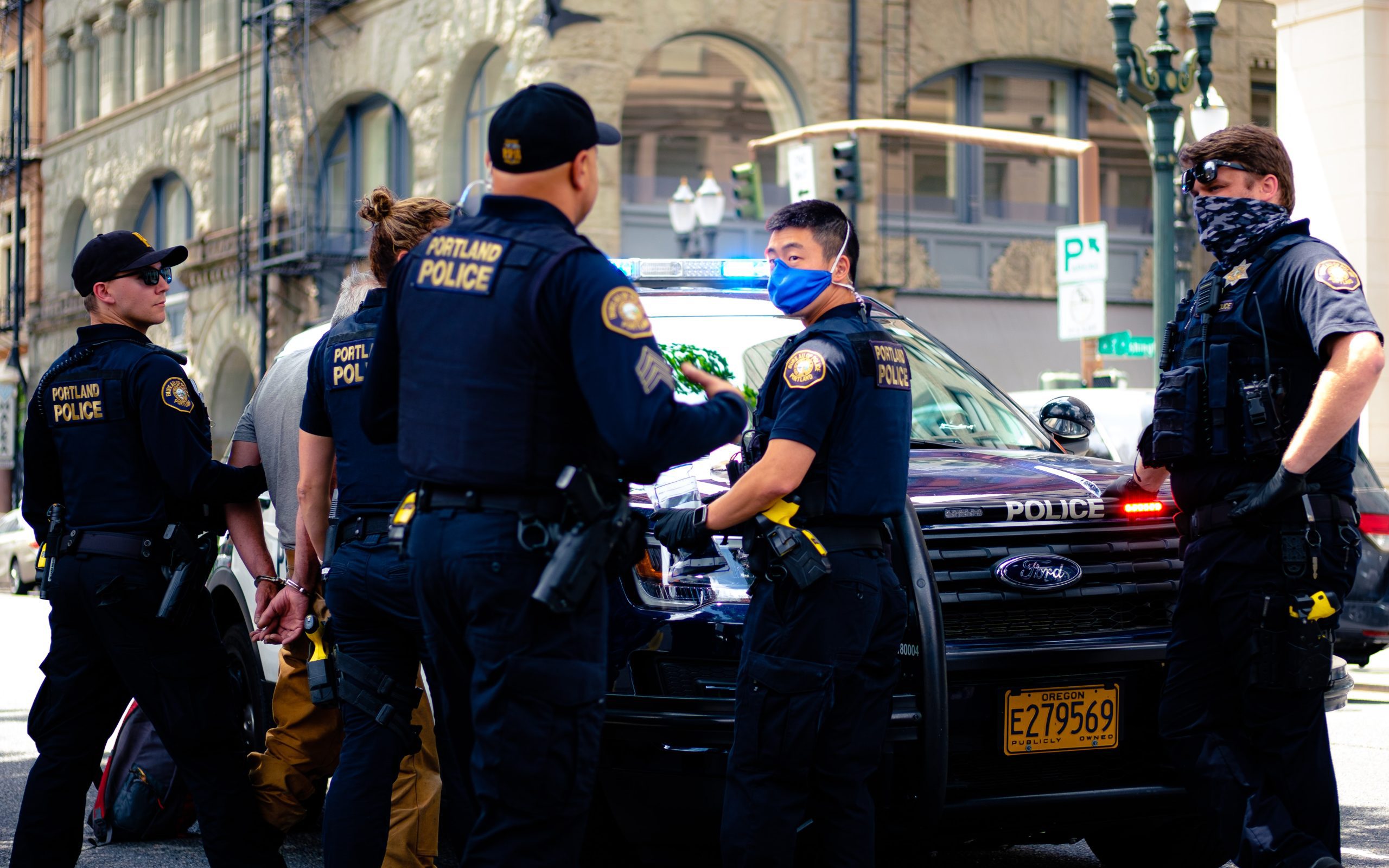
What Do You Have To Tell Police During An Arrest?
During an arrest, you may have to tell the police your name. But, other than identifying yourself, you have the right to remain silent.
-
What Is A Motion To Dismiss In A Criminal Case?
In a criminal case, a defendant has the motion to file a motion to dismiss, asking the court to drop the charges against you.
-
Explainer: New Bail Law In Indiana Locks Up Extra Poor People
A new bail law in Indiana was passed in the name of safety, but all it’s likely to do is lock up more poor people.
-
Should You Talk To A Police Officer?
If you talk to a police officer, they can use what you say against you, your loved ones and others. But you have rights that protect you.
-

Explainer: The Deshaun Watson Case Goes to a Grand Jury
Deshaun Watson will be the subject of a grand jury proceeding on Friday. If the grand jury decides to charge him, he could be in trouble.
-

What Is The Difference Between Felonies and Misdemeanors?
The differences between felonies and misdemeanors focus on the seriousness of the crime and the potential punishment.
-
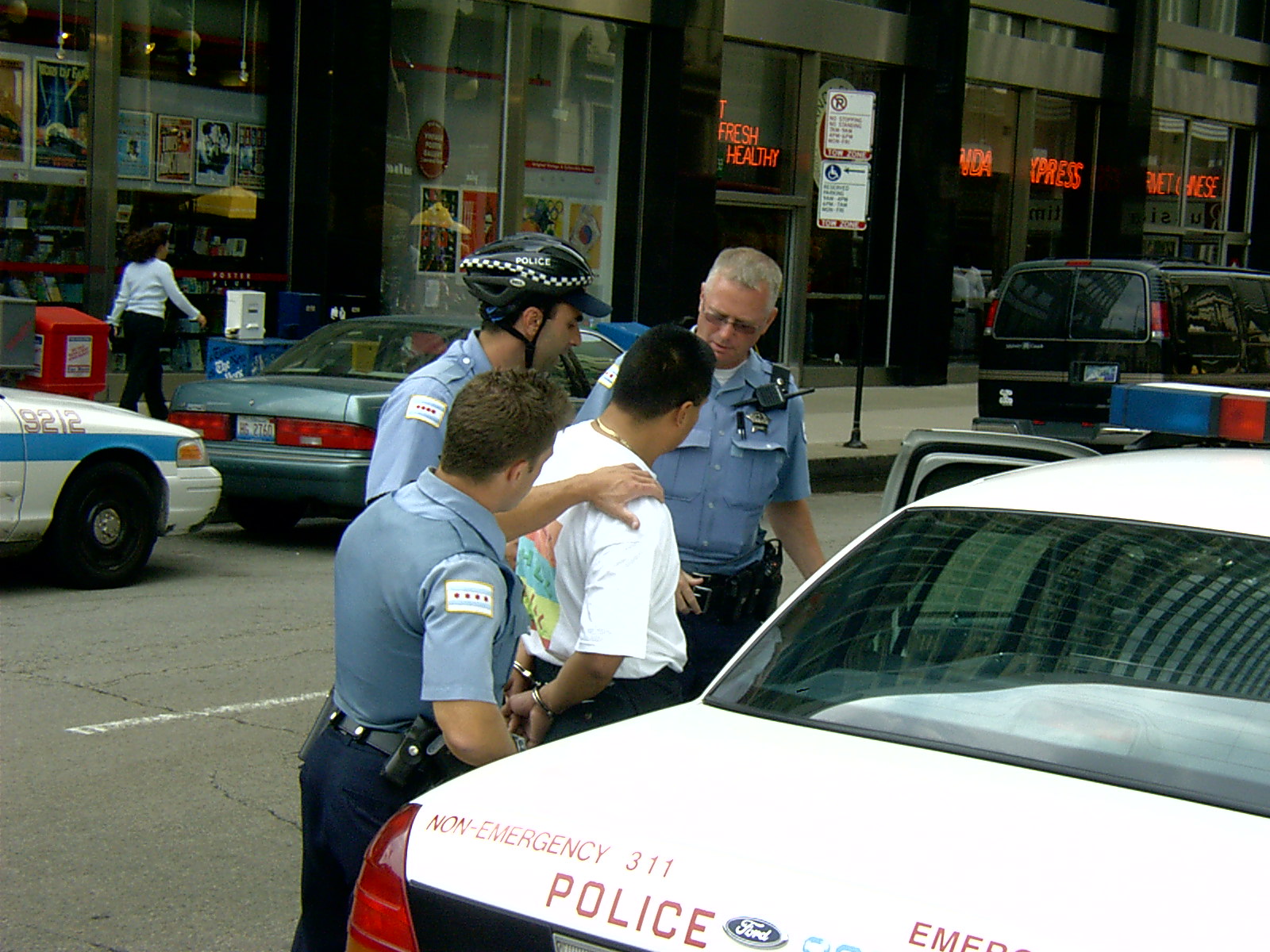
How Does The Fourth Amendment Apply When You Get Arrested?
The Fourth Amendment protects you when you get arrested. If police violate it, courts can suppress evidence. You can also file a lawsuit.
-
How Does The Fifth Amendment Apply When You Get Arrested?
The Fifth Amendment applies when you get arrested. It states that you can’t be forced to be a witness against yourself.
-

When Can Police Arrest You?
Before police can arrest you, they must have probable cause. This probable-cause requirement comes from the Constitution.
-

What Is A No-Knock Warrant?
After police shot and killed Amir Locke, the term “no-knock warrant” started making headlines again. Here’s what you need to know.