Search results for: “cases”
-
How Can You Restore Your Right to Vote After Leaving Prison?
Only Maine, Vermont, and the District of Columbia let you vote from prison. In all other places, you will lose the right to vote after you get convicted. But in many cases, you can restore your right to vote back after leaving prison.
-

What is the Felony Flow Chart?
The first step in the felony flow chart occurs before arrest. This is when a crime is committed or reported.
-

What are Criminal Charges in an Indictment?
An indictment is an official document someone receives when they get accused of a crime. Indictments are usually reserved for felony-based charges.
-

What Are Your Rights To A Trial in a Criminal Case?
The Bill of Rights outlines a number of rights that everyone has during a criminal trial. These rights help to ensure that people have a fair legal process.
-
What Does an Acquittal in a Criminal Trial Mean?
Acquittals can also happen for some charges in a case, but not for all the charges. But, an acquittal is not the same as a not guilty ruling.
-
What is the Difference Between a Guilty Plea and a Not Guilty Plea?
At the beginning of a criminal case, you have three choices when you enter a plea: guilty, not guilty or no contest. How do you decide which?
-
What Constitutional Rights Exist During Sentencing?
Your constitutional rights still exist during sentencing. Knowing those rights is important at this late stage in your case.
-
What is an Arraignment in a Criminal Court Case?
An arraignment is the first formal hearing in a criminal case. The judge will read the charges against you, and you will enter a plea.
-
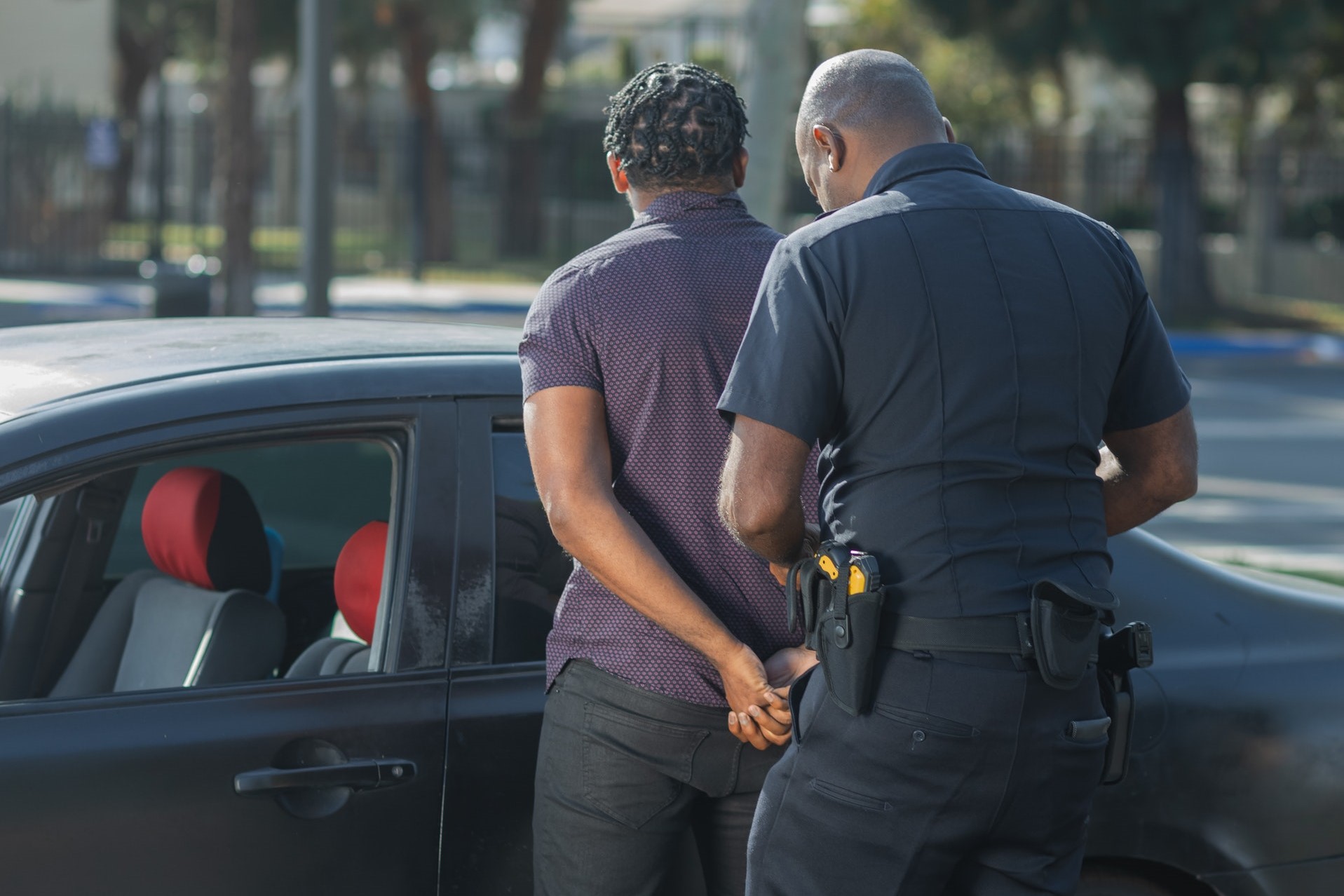
What Rights Do You Have During an Arrest?
During and after an arrest, you do have rights. These rights are mostly protected by the Fourth, Fifth and Sixth Amendments.
-
What Are Your Rights During a Preliminary Hearing in a Criminal Case?
A preliminary hearing is similar to a regular criminal trial. The prosecutor presents evidence to a judge. Your attorney can cross-examine that evidence. Both sides can call witnesses. But there are some key differences.