Category: Your Rights
-

When Can Police Search a Person’s Car?
Police can search a person’s car with a warrant or with consent. But you don’t have to consent to a search under any circumstances.
-

When Can Police Search a Person’s Home?
Police can only search a person’s home in certain circumstances. But, if you consent to a search, those circumstances don’t have to apply.
-

When Can Police Search a Person?
Police can search a person in a number of different situations, but the Fourth Amendment provides some protections.
-
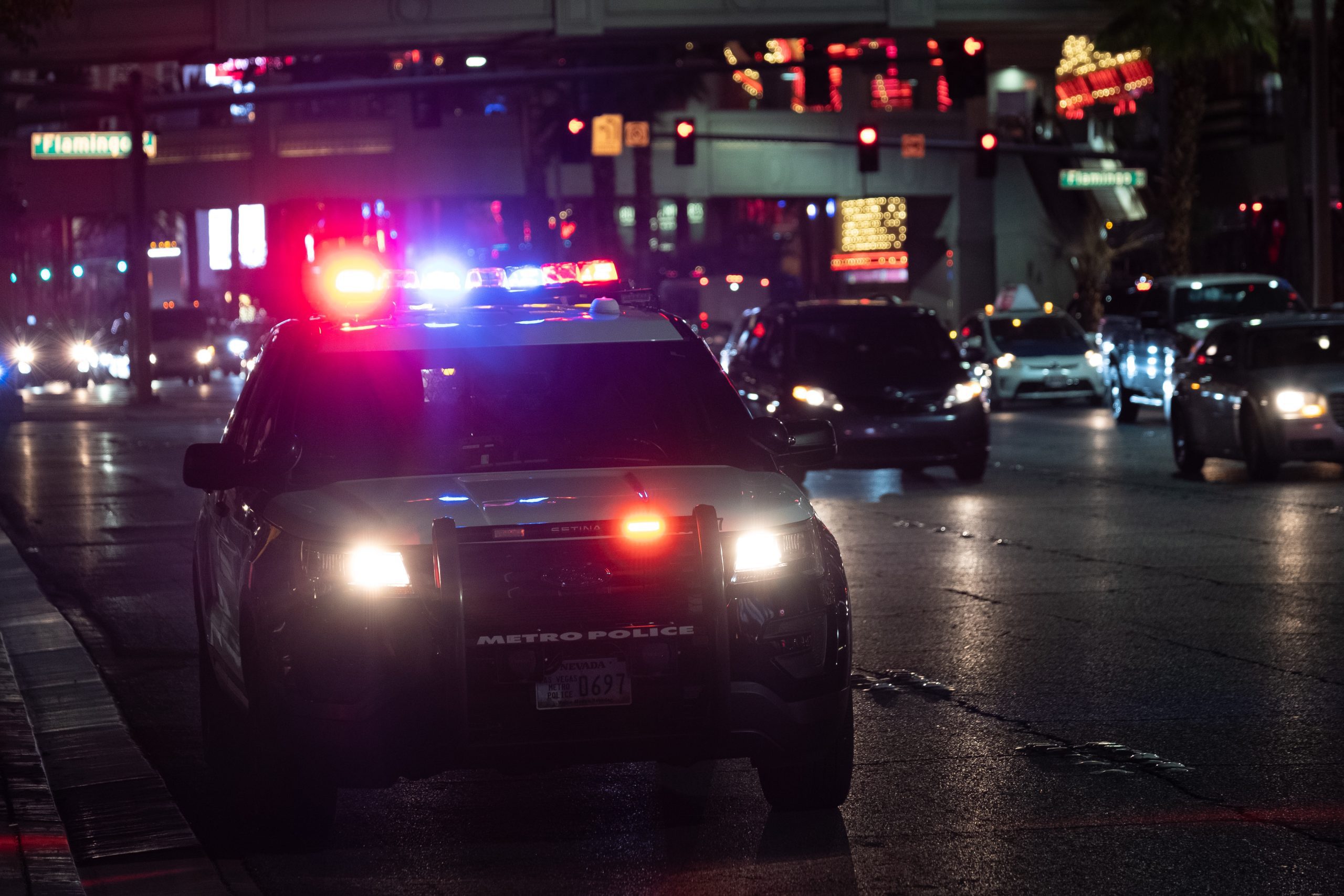
President Biden’s Executive Order Explained: Law Enforcement
President Biden’s May 25 Executive Order includes several provisions on law enforcement accountability. Here’s what you need to know.
-

What Do You Have To Tell Police During A Traffic Stop?
There is only one thing you have to tell police during a traffic stop: your name. Other than that, you can remain silent.
-

What Are Your Fifth Amendment Rights During Trial?
Several Fifth Amendment rights apply during trial, including the right to remain silent and the double-jeopardy protections.
-
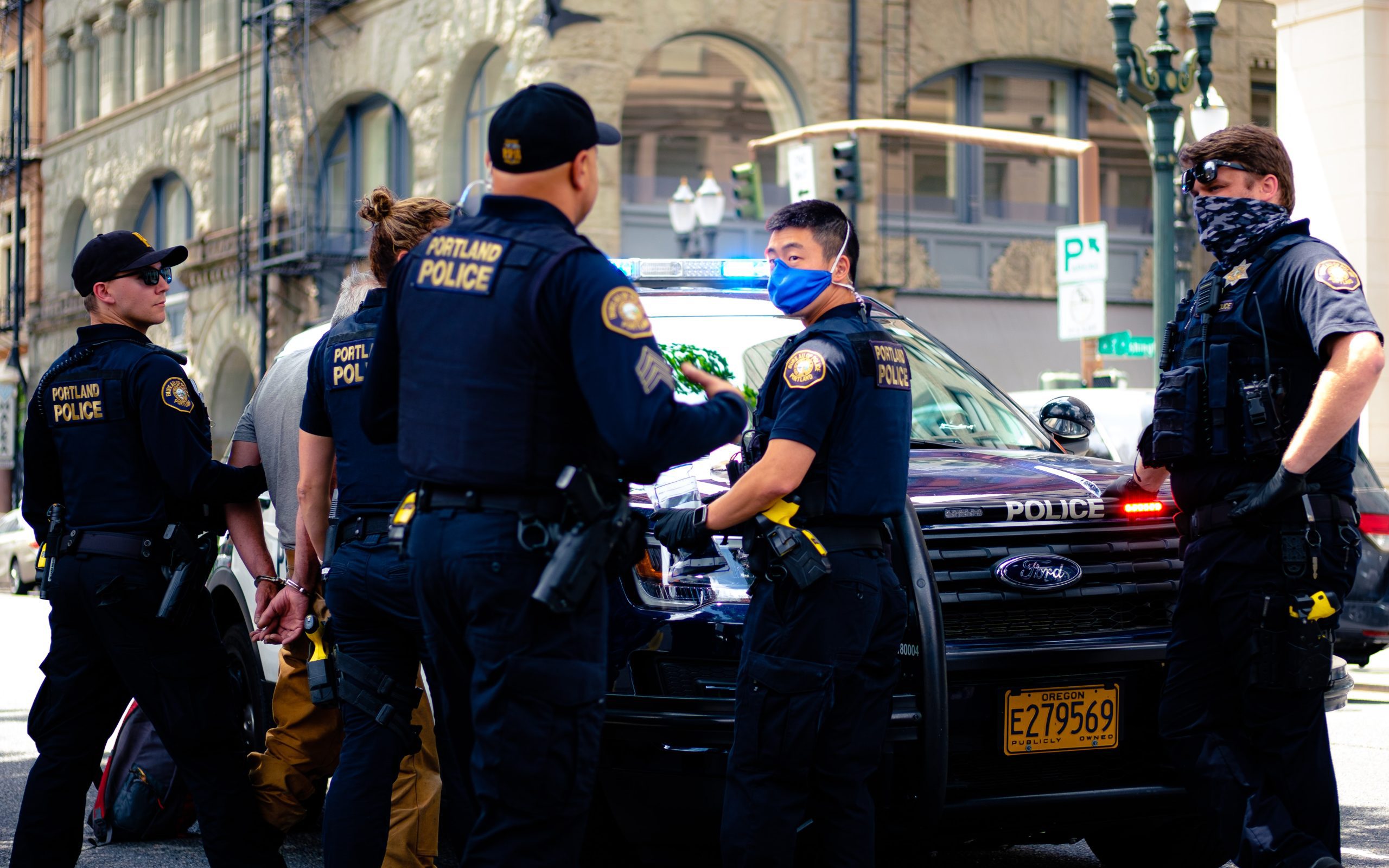
What Do You Have To Tell Police During An Arrest?
During an arrest, you may have to tell the police your name. But, other than identifying yourself, you have the right to remain silent.
-
Should You Talk To A Police Officer?
If you talk to a police officer, they can use what you say against you, your loved ones and others. But you have rights that protect you.
-

Explainer: The Deshaun Watson Case Goes to a Grand Jury
Deshaun Watson will be the subject of a grand jury proceeding on Friday. If the grand jury decides to charge him, he could be in trouble.
-

What Is A No-Knock Warrant?
After police shot and killed Amir Locke, the term “no-knock warrant” started making headlines again. Here’s what you need to know.