Search results for: “cases”
-

What Is The Post Conviction Relief Act And How Does It Help?
If you or a loved one has been convicted of a crime, you’ve probably heard about the Post Conviction Relief Act. But what is it?
-

What Is Prosecutorial Discretion And How Can It Impact Your Case?
Prosecutorial discretion is the power prosecutors have to make charging decisions. This power is huge and can have a big impact on your case.
-
What Is The Difference Between State And Federal Courts?
If you’ve been charged with a crime, one of the first things you need to do is understand the difference between state and federal court.
-
When Can You Appeal To The US Supreme Court?
It’s possible that you could appeal your criminal case to the US Supreme Court. But how do you do it? And is there a chance you can win?
-

What Are “Tough On Crime” Laws? How Do They Impact Your Case?
Since the 1980s, “tough on crime” laws have spread throughout our criminal justice system, and they impact your case more than you know.
-

Will A Lawyer Take Your Wrongful Conviction Case For Free?
If you’ve been wrongfully convicted, you may be considering hiring a lawyer. But will a lawyer take your wrongful conviction case for free?
-
What Rules Apply To Your Criminal Court Case?
If you’re charged with a crime, certain rules apply to your criminal case. Which rules apply depends on what court your case is in.
-

What Arguments Can You Make In A Criminal Appeal?
If you’ve been convicted of a crime, you’re probably already thinking about what arguments will work best to appeal in your criminal case.
-

Can You Win An Appeal For Ineffective Assistance Of Counsel?
The most common argument on appeal in criminal cases focuses on ineffective assistance of counsel. But can you win with that argument?
-
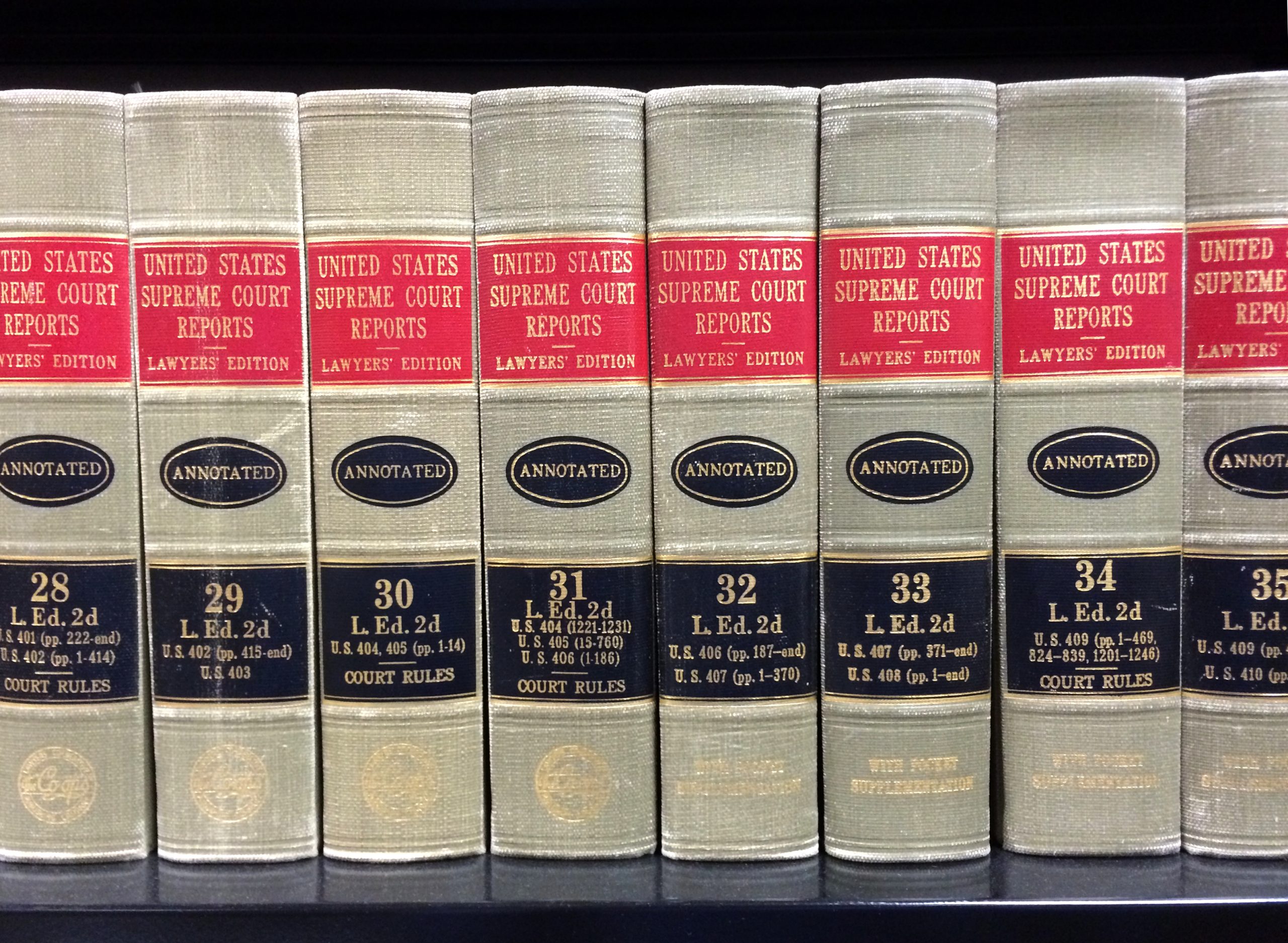
How Do You Know What Caselaw Applies to Your Case?
If you are facing a trial, the final decision in your case may be based on rules of law created by previous cases. “Caselaws” or “precedents” means the rules established by those previous cases. The judge cites the caselaws as an example to justify their present case decisions.